
Knowing what to ask wedding venues when touring is one of the most important things engaged couples should understand early in the wedding planning process. Your wedding venue sets the tone for your entire day, impacts your timeline, affects your guest experience, and plays a major role in how your wedding photos turn out.
Venue tours are exciting, but it can be easy to focus on the beautiful spaces and forget to ask the practical questions that really matter. Before you sign a contract or put down a deposit, asking the right questions will help you avoid surprises and choose a venue that truly supports your vision.
If you’re starting to tour venues, here are 12 essential questions to ask wedding venues when touring so you can make the most informed decision.
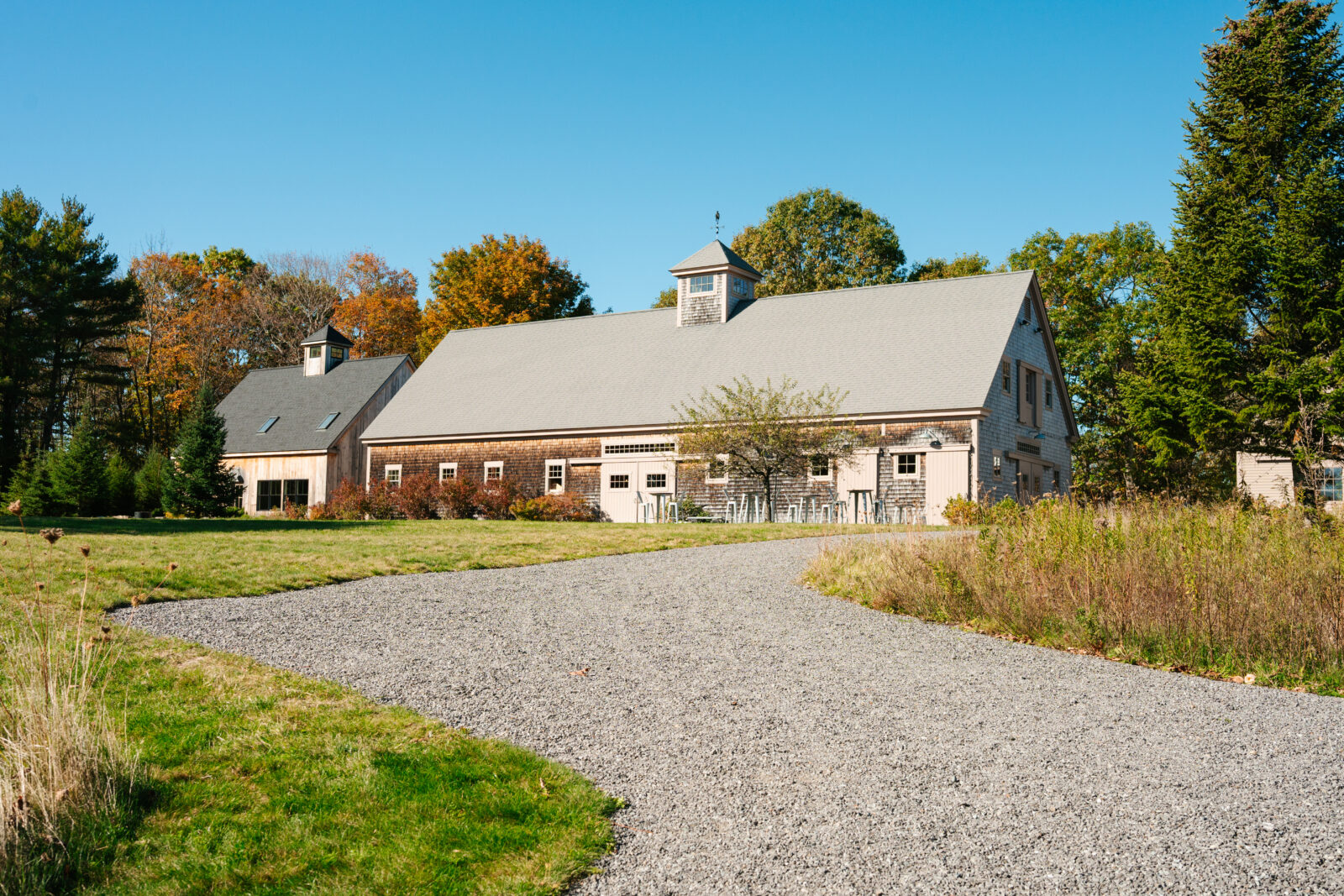
12 Questions to Ask Wedding Venues When Touring
Quick Checklist: What to Ask Wedding Venues When Touring
Before booking a wedding venue, couples should ask about pricing, rental hours, rain backup plans, vendor policies, lighting, and guest capacity. Asking these questions during a venue tour helps you understand how the space will actually function on your wedding day.
When couples ask me what to ask wedding venues when touring, these are the questions I always recommend bringing to every venue visit.
1. What is included in the venue rental fee?
Not all venues include the same basics, even at similar price points.
Ask:
Are tables and chairs included for the ceremony and reception?
Are linens provided?
Is setup and breakdown included?
Do we have access to all indoor and outdoor spaces?
Understanding what is included will help you compare venues accurately and avoid unexpected rental costs.
2. How many hours does the rental include?
Time restrictions can greatly affect your timeline.
Ask:
What time can we arrive?
When can vendors arrive?
When does everything need to be cleared out?
Are additional hours available if needed?
Knowing these details early helps ensure your timeline allows for getting ready, photos, and a relaxed celebration.
3. Is there a rain backup plan?
Even summer weddings need a solid Plan B, especially in New England where weather can change quickly.
Ask:
Where does the ceremony move if it rains?
Does the backup space affect guest capacity?
Will the layout still feel intentional and well-designed?
A good venue should have a backup plan that still feels thoughtful and beautiful.
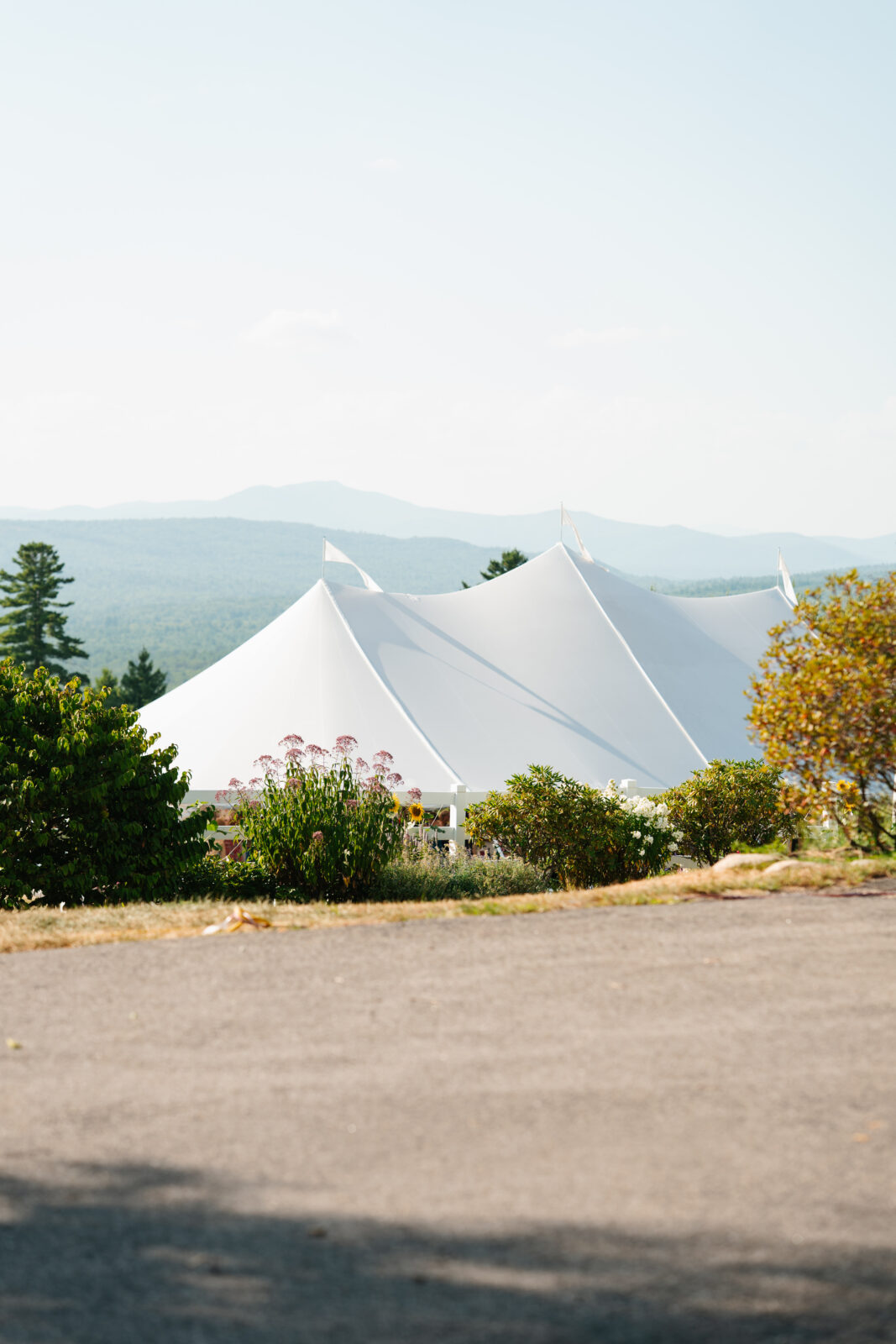
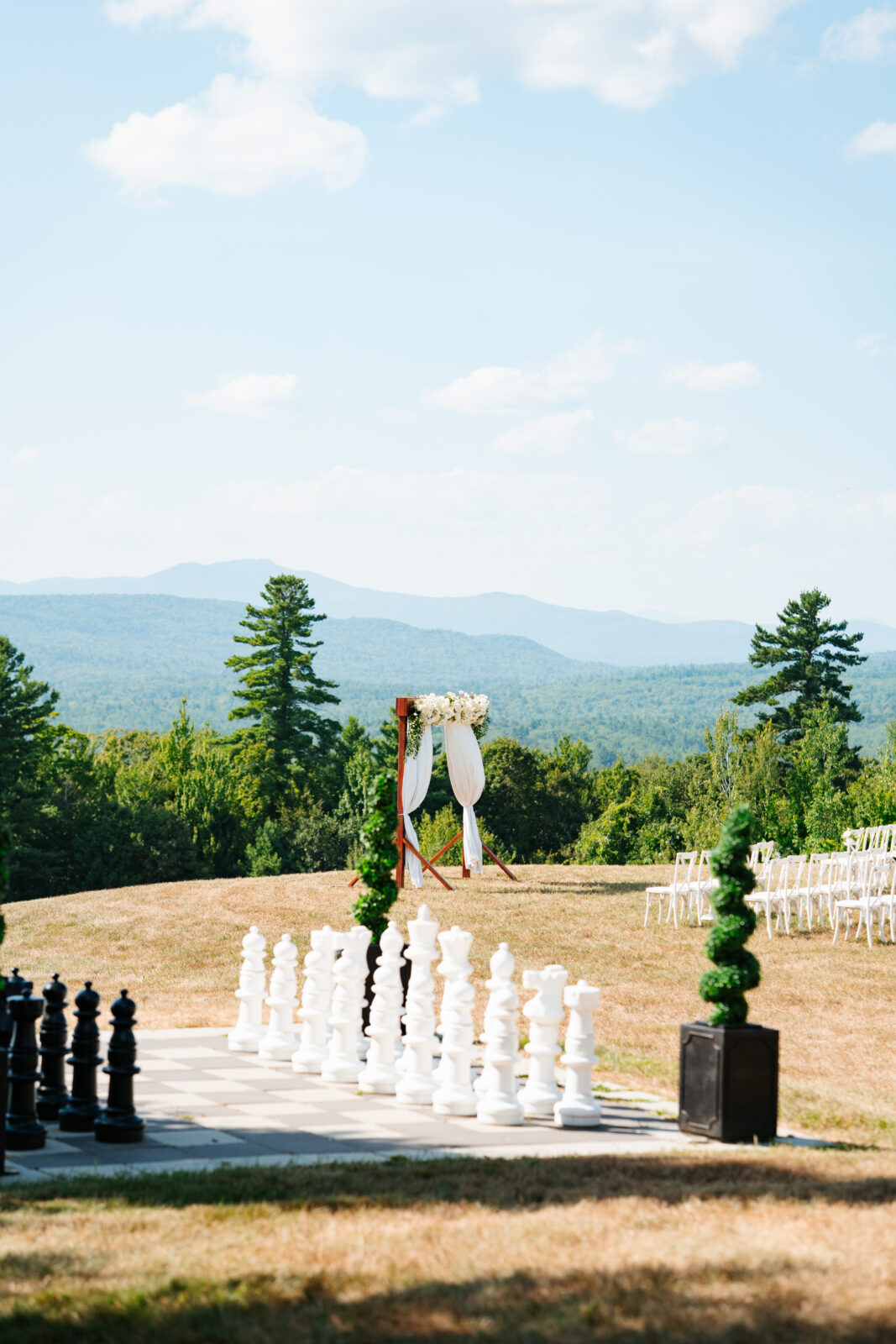
4. Are there restrictions on vendors?
Some venues are flexible while others require specific vendors.
Ask:
Are we required to use in-house catering?
Is there an approved vendor list?
Can we bring in our own photographer, florist, and DJ?
Are there insurance requirements for vendors?
Understanding vendor policies will help you determine how much flexibility you have in planning your day.
5. What are the noise, music, and curfew restrictions?
This directly impacts your reception experience.
Ask:
What time does music need to stop?
Are there volume limits?
Is there an earlier cutoff for outdoor music?
Are sparklers or send-offs allowed?
Knowing these rules ahead of time helps avoid surprises later in the planning process.
6. How many weddings do you host per day?
Privacy matters more than couples often realize.
Ask:
Will we share any spaces with another wedding?
Are getting-ready areas private?
Will photo locations overlap with another couple?
A venue hosting multiple weddings in a day can impact the overall experience and timeline.
7. How does setup and breakdown work?
This affects stress levels and flow on the wedding day.
Ask:
Who sets up tables and chairs?
Who flips the space between ceremony and reception?
How much time is allocated for décor setup?
Who handles teardown at the end of the night?
Knowing who is responsible for setup ensures nothing gets overlooked.
8. Are there décor or styling restrictions?
Your vision should align with venue rules.
Ask:
Are candles allowed?
Can décor be hung from walls or ceilings?
Are nails, tape, or adhesives allowed?
Are confetti or sparklers permitted?
These restrictions can affect the overall design of your wedding.
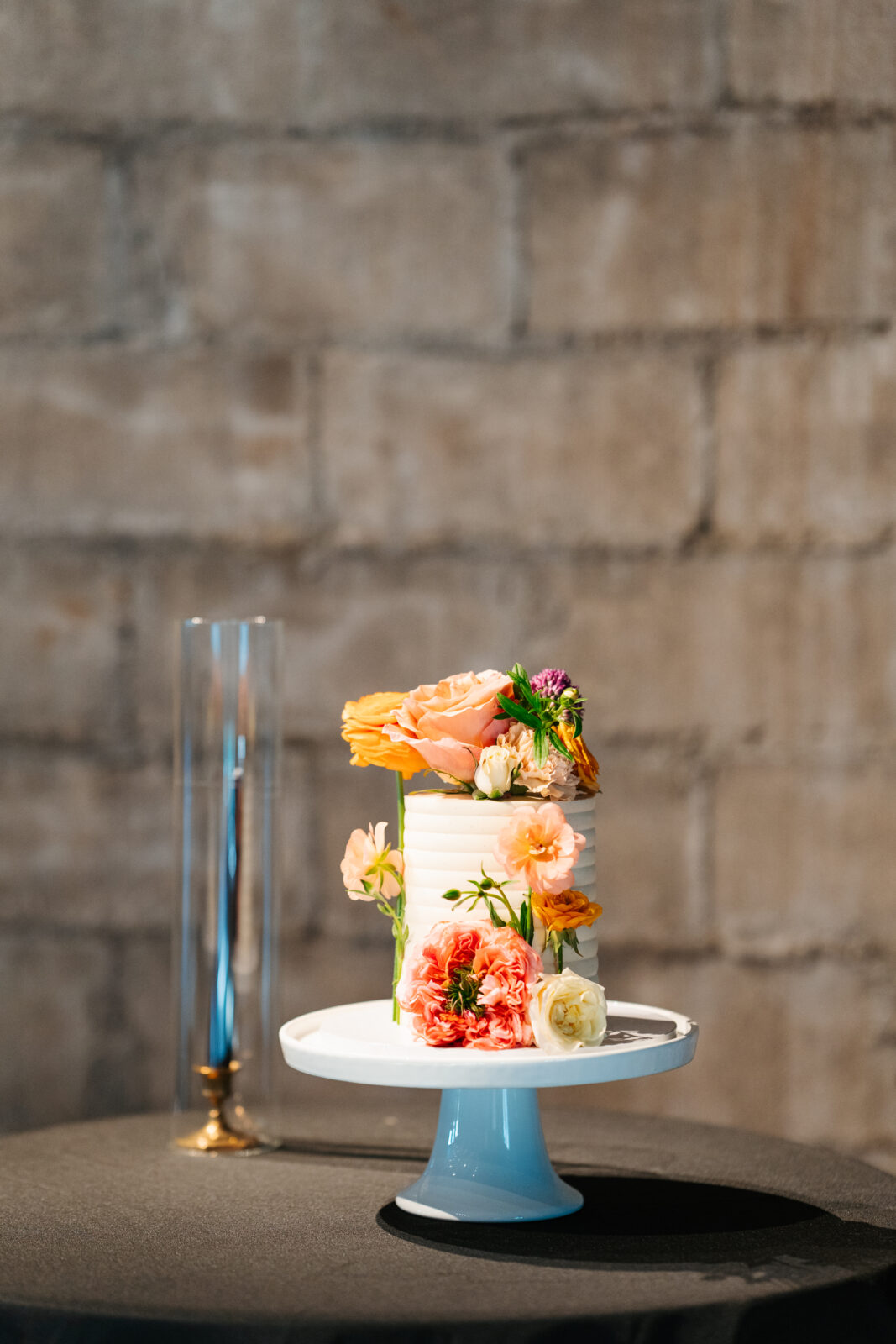
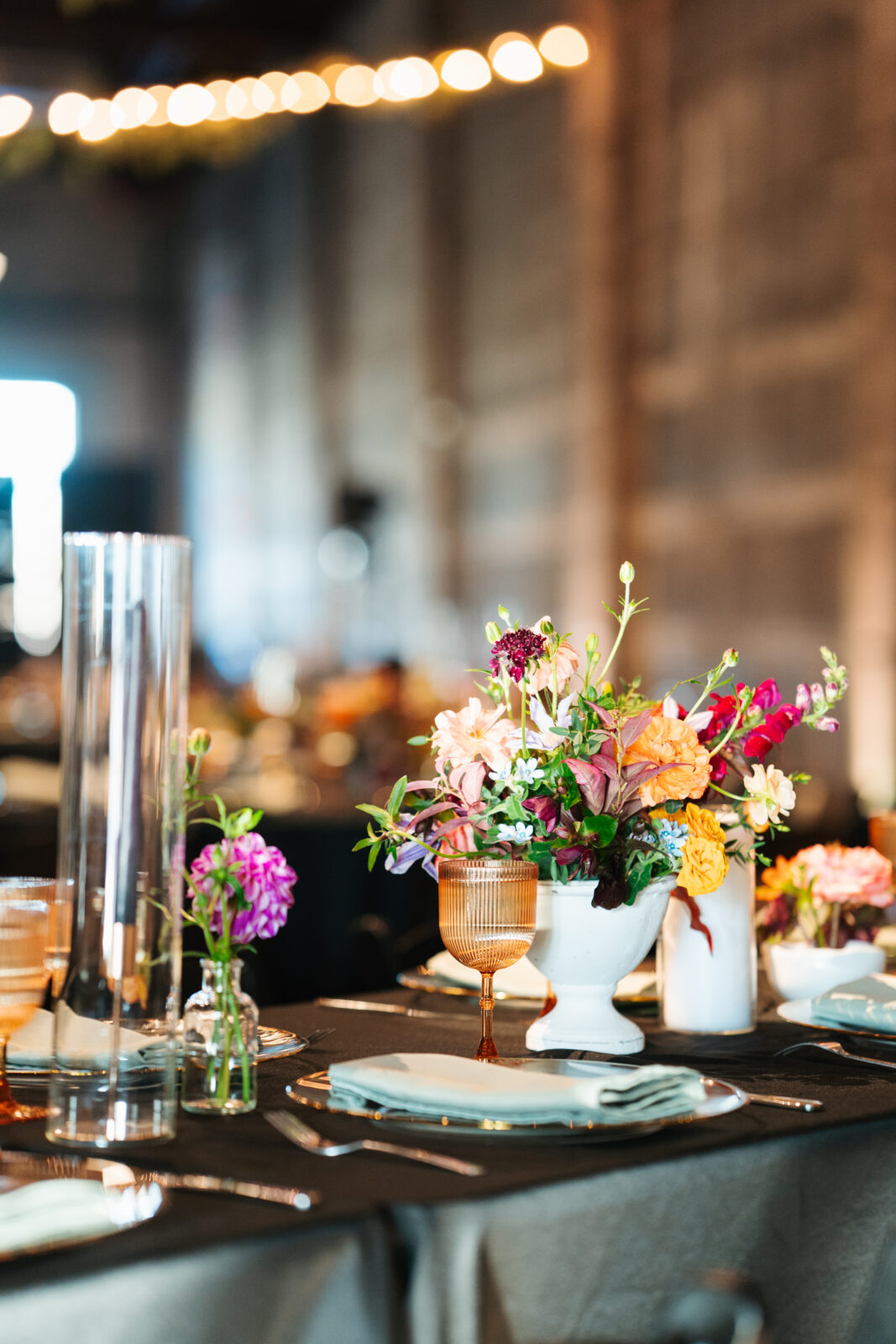
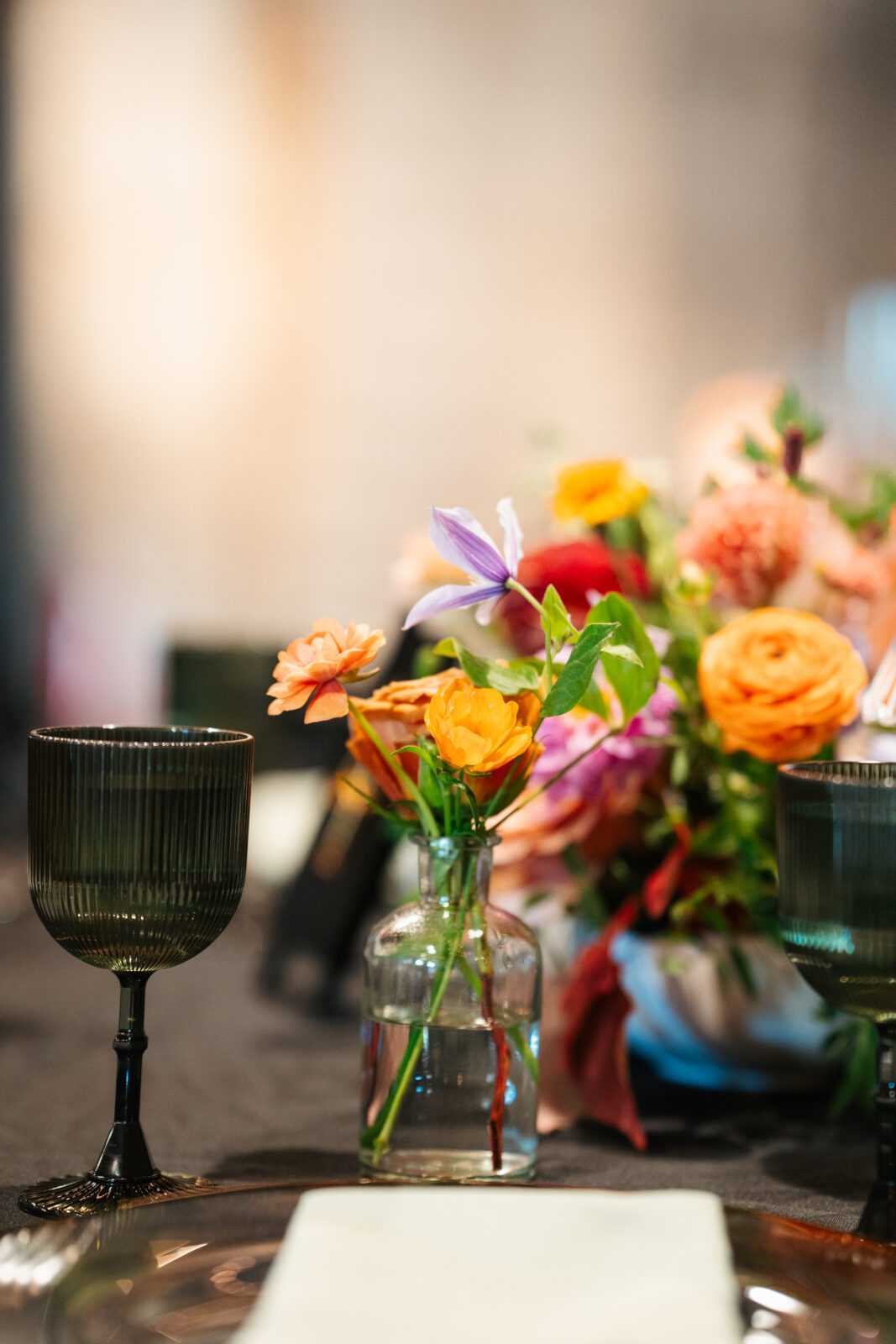
9. What is the lighting like throughout the venue?
Lighting affects both atmosphere and photography.
Ask:
Are indoor lights dimmable?
Is there outdoor lighting after sunset?
Are string lights or uplighting included or allowed?
Lighting plays a major role in the mood of your reception and how your wedding photos look.
10. Where do couples typically take photos on-site?
When deciding what to ask wedding venues when touring, photography locations are often overlooked.
Ask:
What are the most popular photo locations?
Are there shaded or indoor options for bad weather?
Where does sunset typically look best on the property?
Knowing the portrait locations can help you visualize how your wedding day will flow.
11. Is there on-site coordination on the wedding day?
Know who is managing the space.
Ask:
Will someone be on-site the entire day?
Who handles issues or questions from vendors?
Do they help manage the timeline or just the venue?
Having an experienced venue coordinator can make a huge difference in how smoothly the day runs.
12. Are there any additional or hidden fees?
Budget clarity is key.
Ask:
Are there service charges or admin fees?
Is there a cleaning fee?
Is security required?
What are the overtime rates?
Understanding the full cost will help you compare venues realistically.
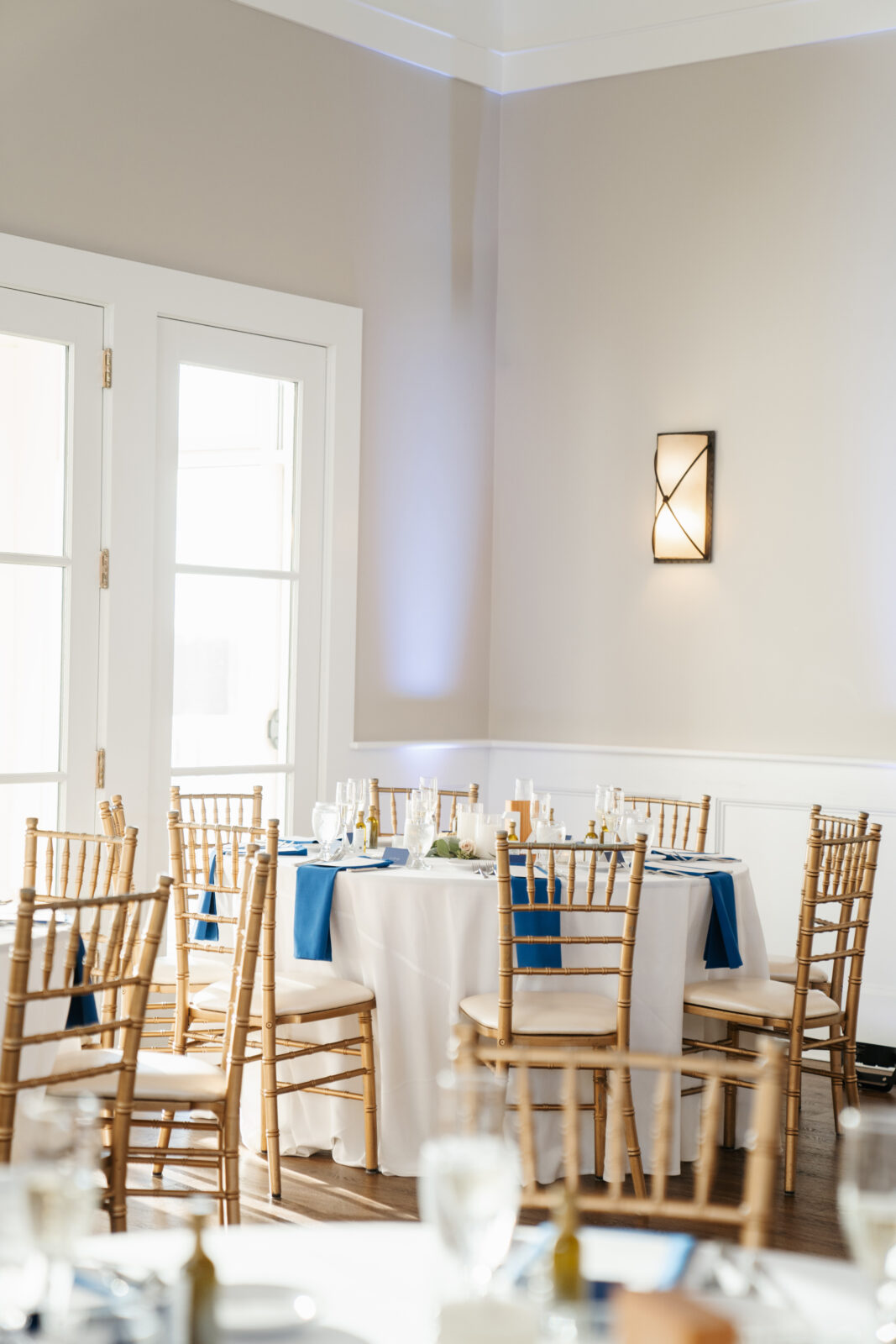
Why These Questions Matter (From a Photographer’s Perspective)
Your venue plays a major role in how smoothly your day unfolds. When couples understand what to ask wedding venues when touring, timelines run better, stress levels are lower, and there’s more space for genuine, meaningful moments.
As a photographer, I see firsthand how venue logistics affect the flow of the day. Lighting, layout, vendor coordination, and timing all influence how relaxed couples feel and how easily we can capture authentic moments.
Choosing a venue that supports a smooth timeline makes a huge difference not just for planning, but for your entire wedding experience.
Final Tip When Deciding What to Ask Wedding Venues When Touring
Bring this list of questions to ask wedding venues when touring to every venue visit and take notes during your tour. Comparing answers side-by-side helps you evaluate venues based on more than just price or appearance.
If you are unsure how a venue will photograph or how the layout might affect your timeline, your photographer can often help you evaluate it before you commit.
Looking for Wedding Venues in Massachusetts?
If you’re still narrowing down your venue options, having insight from someone who has photographed weddings at these spaces can make a big difference.
Beyond how a venue looks online, things like lighting, layout, and guest flow all play a role in how smoothly your wedding day unfolds.
If you’re planning a wedding in Massachusetts, I’ve put together another blog highlighting some of my favorite wedding venues in MA, spaces that photograph beautifully and consistently offer a great experience for couples.
Check out my blog featuring some of the best wedding venues in Massachusetts.
And if you’re looking for a wedding photographer who will guide you through the planning process, answer questions honestly, and help the day feel calm and effortless, I’d love to connect.
Frequently Asked Questions About Touring Wedding Venues
When touring wedding venues, couples should ask about pricing, rental hours, guest capacity, vendor policies, rain backup plans, lighting, and setup logistics. Understanding these details during a tour helps you choose a venue that supports both your vision and your wedding day timeline.
Most couples tour three to five venues before making a final decision. Touring multiple venues helps you compare layout, pricing, and overall atmosphere so you can choose the space that feels like the best fit for your celebration.
When touring wedding venues, it’s helpful to bring your estimated guest count, a list of questions, and a notebook or phone for notes. Taking photos of the space and writing down answers will make it easier to compare venues later.
Most couples begin touring venues 12 to 18 months before their wedding date, especially if they are planning a popular season like fall. Starting early gives you the best chance of securing your preferred date.
Beyond the overall look of the venue, pay attention to layout, lighting, guest flow, and how the staff answers your questions. A venue that runs weddings smoothly behind the scenes will create a much better experience for both you and your guests.
Many venues include an on-site coordinator or venue manager who helps oversee logistics on the wedding day. However, their role may differ from a full wedding planner, so it’s helpful to ask what support they provide after booking.

